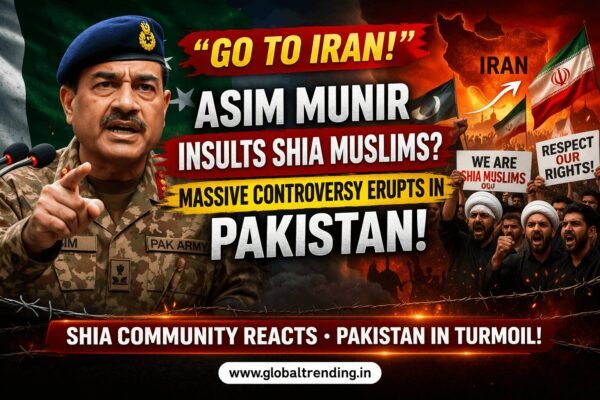
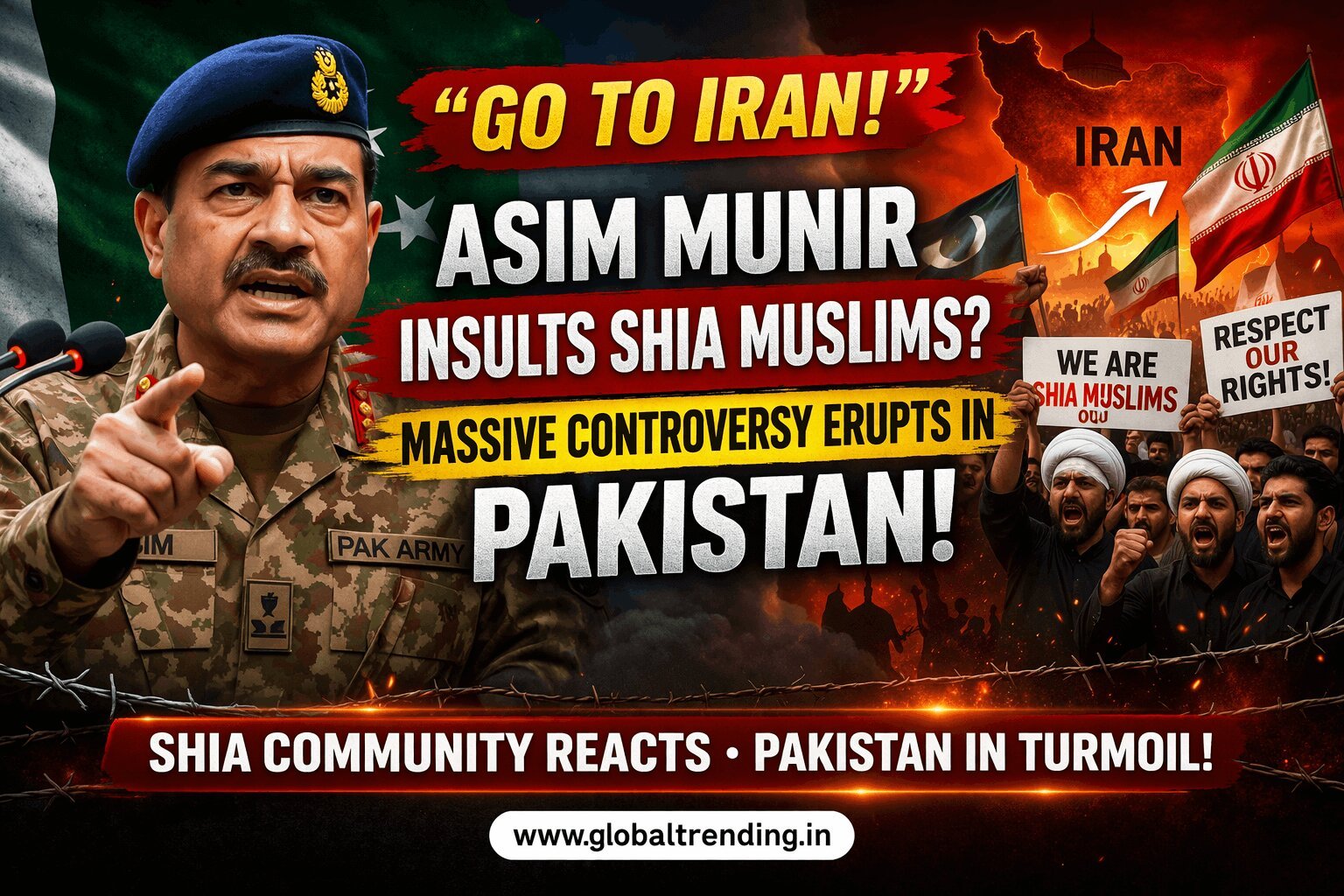
The controversy reportedly began after a meeting between the Pakistan Army leadership and Shia clerics during a recent Iftar gathering. Some media outlets and viral videos claim that Munir questioned the loyalty of Shia leaders and suggested they move to Iran if they strongly support it. Asim Munir Insults Shia Muslims ?
However, verified reports provide a more nuanced picture. According to available information, Munir emphasized that:
Violence linked to foreign conflicts should not spread داخل Pakistan
Religious leaders must help maintain internal peace
Sectarian tensions must be controlled
This has created confusion over whether the “go to Iran” remark was actually said, misinterpreted, or taken out of context.
Public Reaction
The reaction has been intense across platforms:
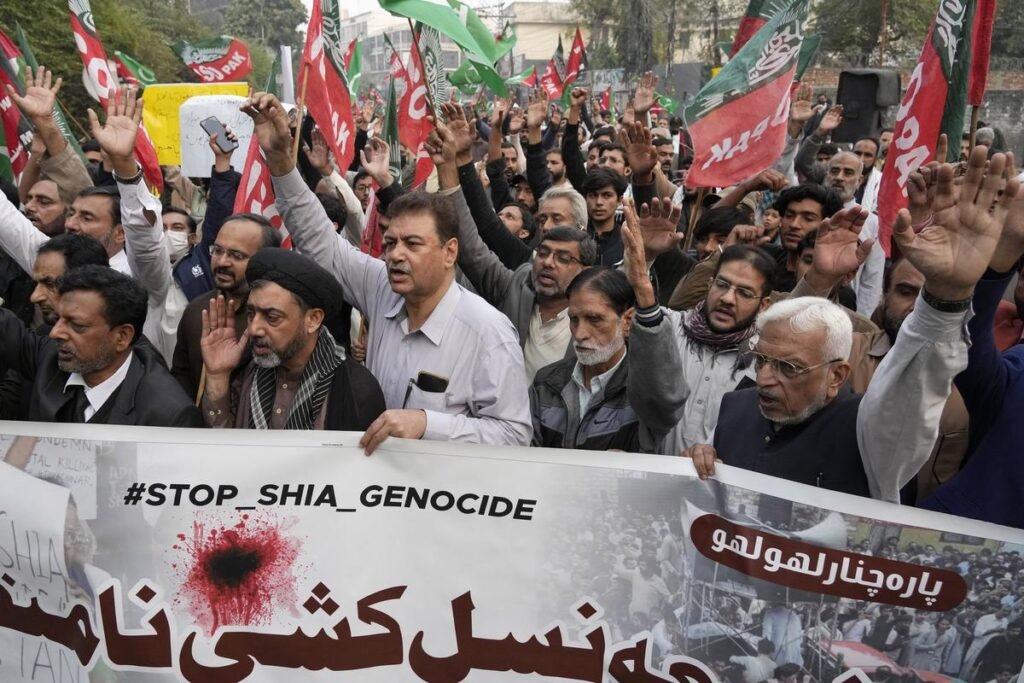
Anger among sections of the Shia community
Heated debates on social media
Concerns from analysts about sectarian stability
Many believe that even perceived remarks can damage trust between communities and institutions. Asim Munir Insults Shia Muslims ?
Why the Issue Is Sensitive
Pakistan has one of the largest Shia populations in the world, and sectarian harmony has always been fragile. Any perceived targeting of a religious group can:
Increase Sunni–Shia tensions
Trigger protests and unrest
Raise concerns over minority rights
Recent events linked to the Iran conflict have already caused nationwide protests and violence, highlighting how volatile the situation is. Asim Munir Insults Shia Muslims ?
Sunni vs Shia Population in Pakistan
Sunni Muslims (Majority)
حوالي 80% – 90% of total population
Dominant sect in Pakistan
Shia Muslims (Minority)
حوالي 10% – 20% of population
One of the largest Shia populations in the world
Important Insights
Pakistan is the 2nd largest Muslim population country globally
Shia community is a significant minority (millions of people)
Exact numbers vary because:
No official sect-based census
Different estimates by organizations
The Sunni–Shia divide is religious, historical, and political
It sometimes leads to sectarian tensions in Pakistan
Background: Rising Tensions in Pakistan
The controversy comes at a time when Pakistan is already facing internal pressure due to regional developments involving Iran.
Protests erupted after events involving Iran
Many Shia Muslims expressed solidarity with Iran
Violent clashes have occurred in multiple cities
This environment makes any statement related to sectarian identity extremely sensitive and potentially explosive. Asim Munir Insults Shia Muslims ?
Conflicting Narratives
There are currently two competing narratives:
1. Allegation
Munir insulted Shia Muslims
Told them to go to Iran
Questioned their loyalty
2. Official / Verified Context
Focus was on maintaining peace
Warning against importing foreign conflicts
Call for unity and stability
Conclusion
The “Go to Iran” controversy involving Asim Munir highlights how sensitive sectarian issues remain in Pakistan. While allegations of insulting remarks are spreading widely, verified reports suggest a more complex situation focused on maintaining national stability.
Until clear official clarification emerges, the issue remains a mix of claims, interpretations, and political tension — but its impact on public sentiment is already visible.
FAQ
Q1. What did Asim Munir say about Shia Muslims?
Some reports claim he told them to go to Iran, but verified sources highlight his focus on maintaining peace.
Q2. Is the statement confirmed?
There is no fully confirmed official version; reports are conflicting.
Q3. Why is this issue important?
It involves sectarian harmony in Pakistan, which is already sensitive.
Q4. How are people reacting?
There is anger, debate, and concern across social media and communities.
Q5. Is there official confirmation of the statement?
There are conflicting reports, and full official clarification is still awaited.
Post Views:9
One thought on “Asim Munir Insults Shia Muslims? ‘Go to Iran’ Remark Sparks Controversy in Pakistan”










Is it true?