






IRAN’S SUPREME LEADER KILLED BY US AND ISRAEL MISSILE STRIKES — A GEOPOLITICAL EARTHQUAKE
IRAN’S SUPREME LEADER KILLED BY US AND ISRAEL MISSILE STRIKES — A GEOPOLITICAL EARTHQUAKE
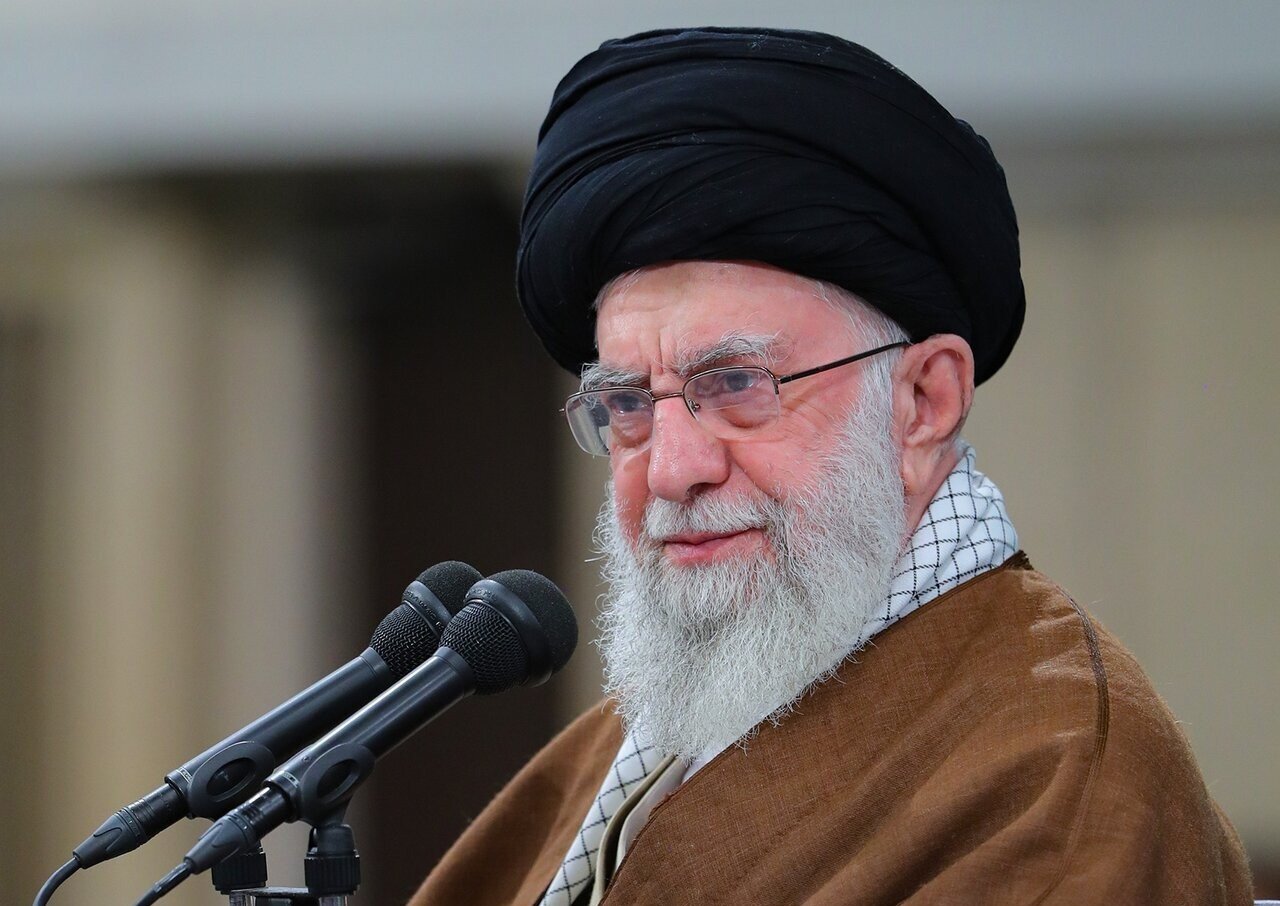
IRAN’S SUPREME LEADER KILLED – In a stunning and unprecedented escalation in Middle East tensions, Iran’s Supreme Leader Ayatollah Ali Khamenei—the country’s most powerful political and religious figure—has been confirmed killed in a coordinated military operation by the United States and Israel. The news, confirmed by Iranian state media and Western outlets, has sent shockwaves through global politics and raised urgent questions about the future of the Islamic Republic and regional stability.
WHO WAS AYATOLLAH ALI KHAMENEI?
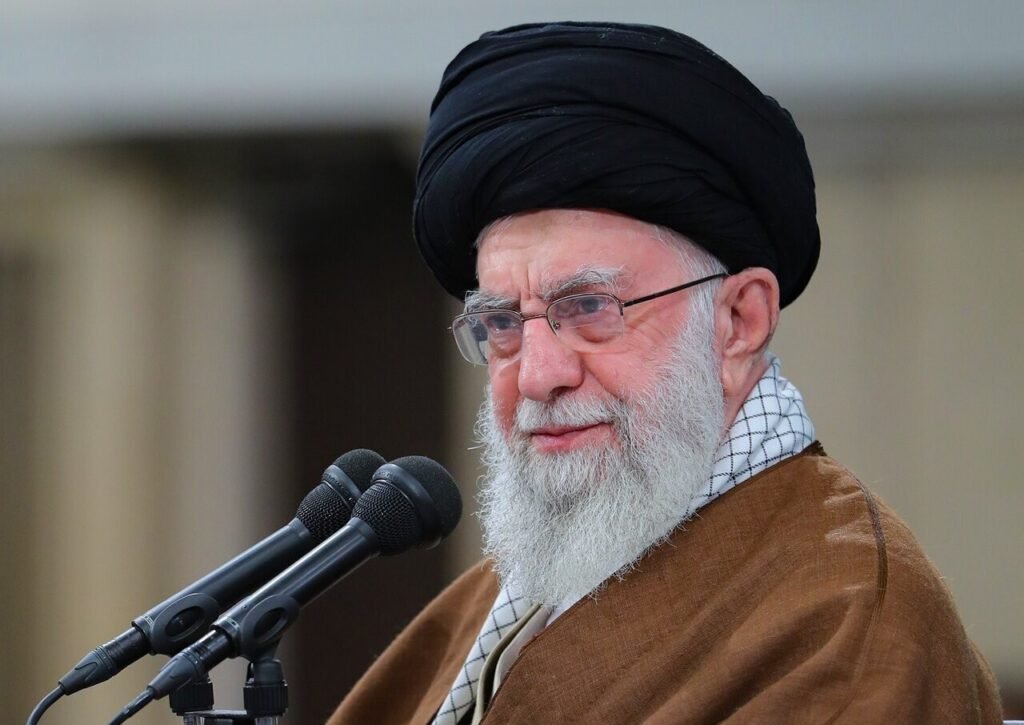
Ayatollah Ali Khamenei served as Iran’s Supreme Leader since 1989, succeeding the country’s founder, Ayatollah Ruhollah Khomeini. As supreme leader, Khamenei held ultimate authority over Iran’s government, military, judiciary, and foreign policy for more than three decades. His leadership shaped Iran’s hardline posture toward the West and its regional rivals, especially Israel and the United States.
Under his rule, Iran supported militant proxy groups like Hezbollah and Hamas, pursued its controversial nuclear program, and suppressed domestic dissent, including major protests in 2009 and 2022.
THE US-ISRAEL MILITARY OPERATION
On February 28, 2026, a joint air and missile strike operation launched by the United States and Israel hit strategic locations across Iran, including Tehran—the nation’s capital. According to state media and international outlets:
- Ayatollah Khamenei was killed during the operation at age 86.
- Multiple other high-ranking Iranian officials and military leaders were reportedly killed in the strikes, including members of Khamenei’s family.
- Iran’s Defence Minister Aziz Nasirzadeh also died in the attacks.
The operation, according to officials, targeted military infrastructure, missile systems, nuclear-related sites, and command centers as part of what leaders described as an effort to degrade Iran’s regional influence and military capabilities.
IRAN’S RESPONSE AND ESCALATION
Iran’s government has declared a 40-day national mourning period following Khamenei’s death—a traditional sign of deep national grief.
But the response was not limited to mourning. Within hours of the strikes:
Iran launched retaliatory missile and drone attacks on U.S. military bases in the Middle East and on Israeli territory.
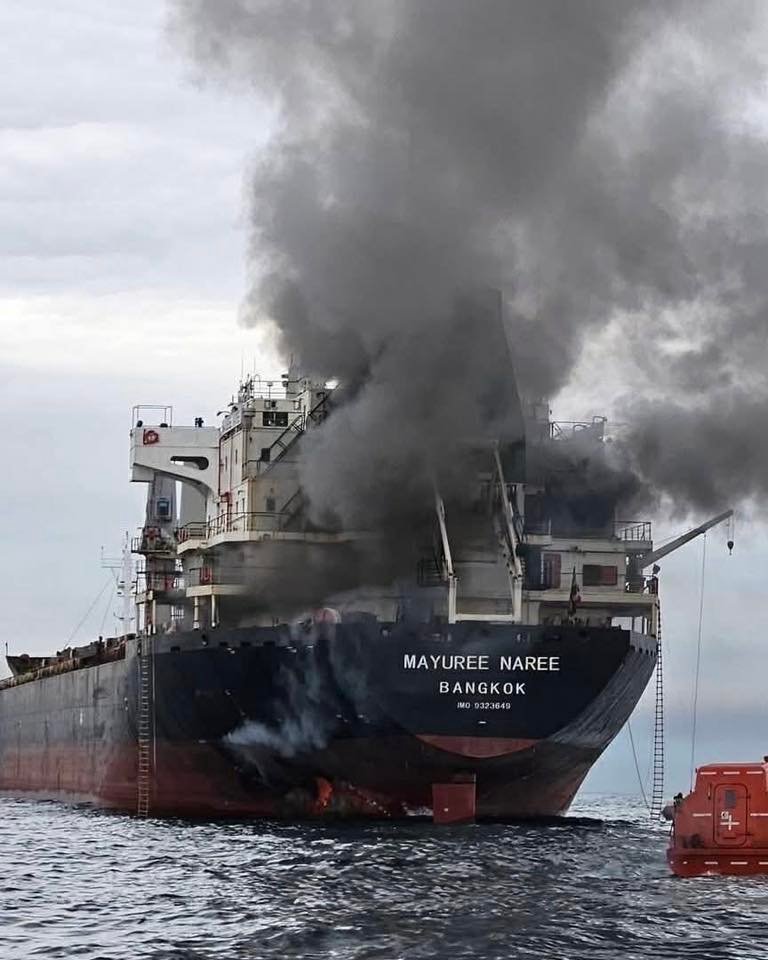
Reports indicate civilian casualties and infrastructure damage in various countries across the region due to the exchange of fire.
Global oil markets and international governments responded with alarm, as disruptions around the Strait of Hormuz—a critical artery for global energy supplies—prompted concerns about prolonged instability.